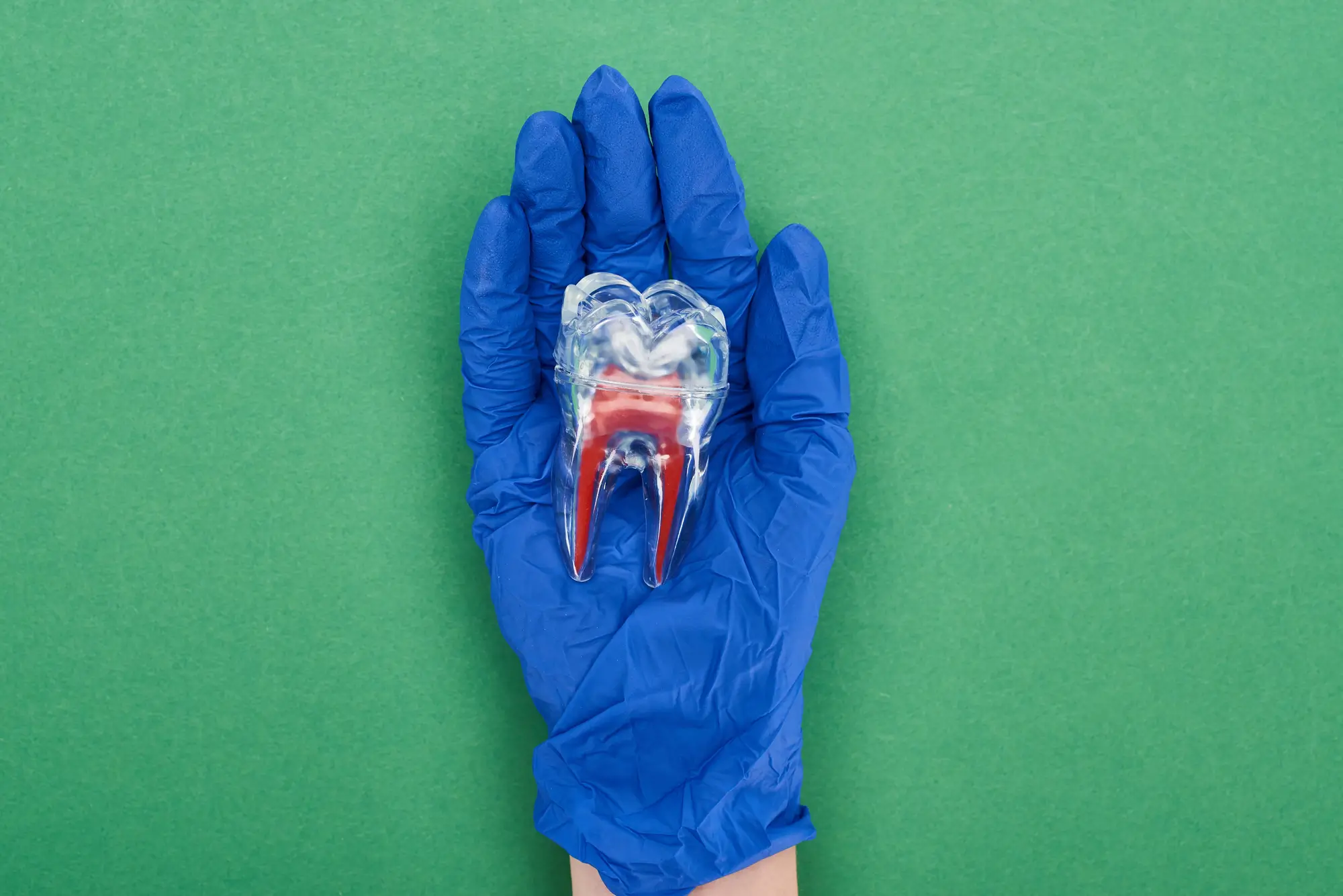
Anticipatory anxiety surrounding endodontic nerve therapy is often fueled by outdated medical tropes and exaggerated rumors. Many individuals delay essential clinical treatments simply because they associate the procedure with severe physical trauma.
However, delaying therapy allows underlying bacterial infections to spread deep into the surrounding jawbone structures. Consulting an experienced dentist on the Upper West Side helps patients separate persistent myths from modern, pain-free clinical realities.

Frequently Asked Questions Regarding Endodontic Reality
Does a root canal treatment cause severe intraoral pain?
The most persistent myth is that cleaning out a tooth root is an inherently painful experience. In reality, modern local anesthetics completely numb the target tooth and surrounding soft tissues before any work begins.
The procedure actually removes the inflamed, dying nerve tissue that causes throbbing sensations in the first place. Reviewing official medical overviews of root canal mechanics confirms that the therapy functions as a definitive solution to eliminate chronic discomfort.
What physical sensations should a patient expect during the visit?
Patients will feel mild pressure as specialized instruments clear the microscopic bacterial debris from the internal pulp chambers. The environment is closely managed with protective isolation shields to keep the treatment area completely sterile.
The sensations are highly comparable to receiving a standard deep filling rather than a complex surgical operation. Learning when to call professionals for localized discomfort highlights how early intervention keeps the cleaning process straightforward and brief.
Is it healthier to extract the damaged tooth instead?
Choosing extraction over preservation might seem like a quick fix, but losing a natural tooth root creates long-term structural complications. Shifting adjacent teeth, localized bone reabsorption, and reduced chewing efficiency always follow an extraction.
Preserving the natural dental structure with a root canal is universally preferred by clinical specialists whenever possible. Exploring long-term single dental implants reveals that replacing a removed tooth involves significantly more complex timelines than saving the original structure.
Why is placing a permanent crown after therapy mandatory?
Once the internal blood supply and nerve tissues are removed, the remaining enamel structure becomes progressively brittle over time. Without a outer protective shield, everyday biting forces can easily fracture the weakened tooth down to the root.
A custom full-coverage cap is bonded over the tooth to restore its original structural integrity completely. Reviewing professional insights on durable dental crowns illustrates how these protective restorations seal out new bacteria while maintaining a natural biting alignment.
How does resolving an internal infection protect the entire body?
Leaving a necrotic, bacteria-filled tooth pulp untreated allows dangerous microbial colonies to exit through the base of the root. This migration triggers painful abscesses and allows chronic inflammation to place constant stress on the immune system.
Prioritizing highly thorough, custom-tailored preventive dental care ensures that localized bacterial threats do not expand into systemic complications. Keeping the roots of your teeth sterile is a core requirement for overall biological wellness.

Secure Your Restorative Health in Manhattan
Overcoming dental fear requires a clinical team that prioritizes transparent communication, patient comfort, and advanced microscopic precision.
At Manhattan Dental Arts, our experienced doctors utilize state-of-the-art diagnostic imaging to plan and execute gentle root canal therapies that save your natural teeth.
We focus on delivering a relaxed, highly supportive environment designed to eliminate anxiety and protect your long-term oral architecture. Contact our professional office today to schedule your evaluation, and see how a premier dentist upper west side specialist can safely restore your health.