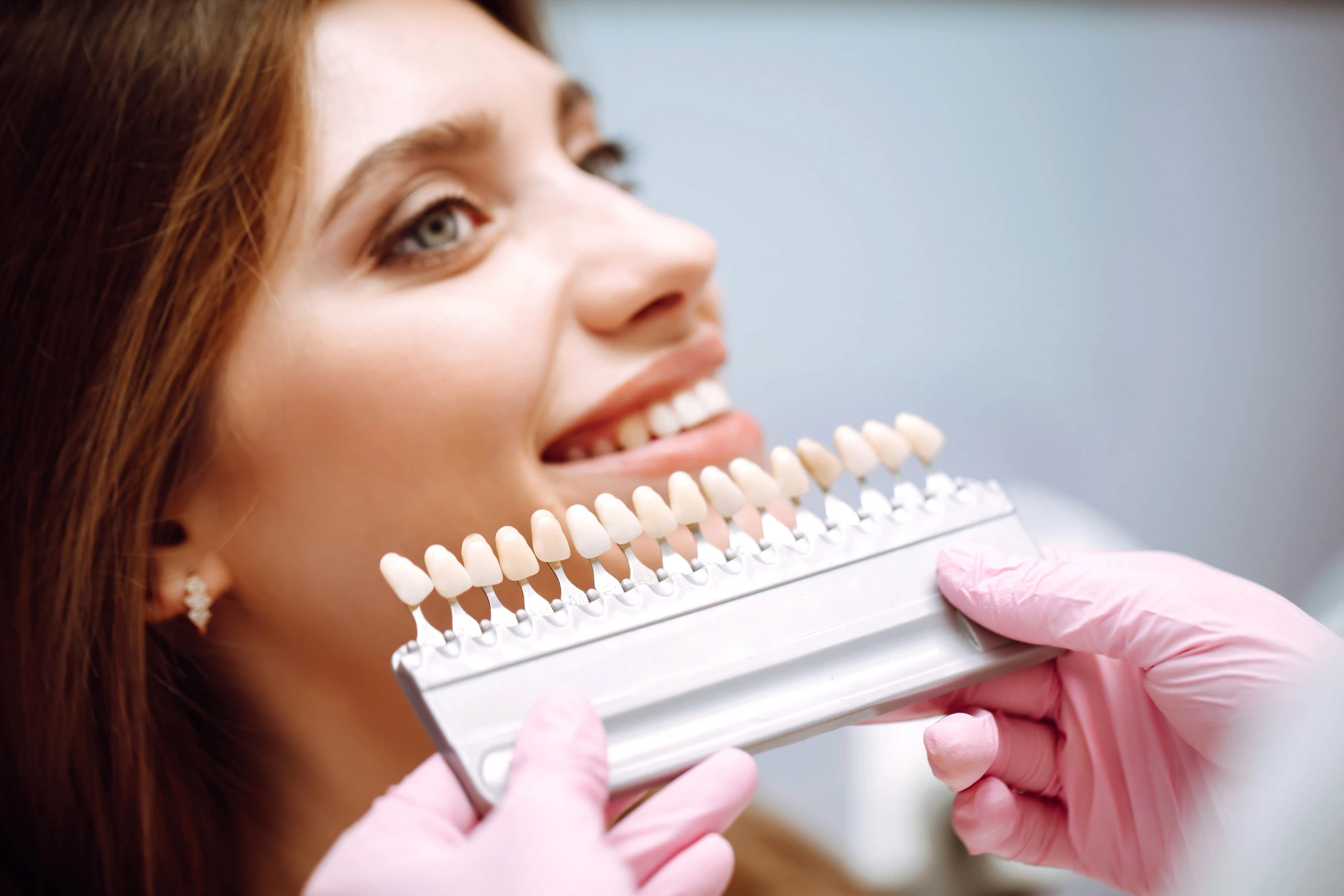
Porcelain veneers can transform a smile, but the results last longest when daily habits support them. For anyone with veneers on the Upper West Side, a few simple routines can make the difference between a smile that stays bright and one that needs early repairs.
Veneers are durable, yet they aren't indestructible. These four habits help protect them for years to come.
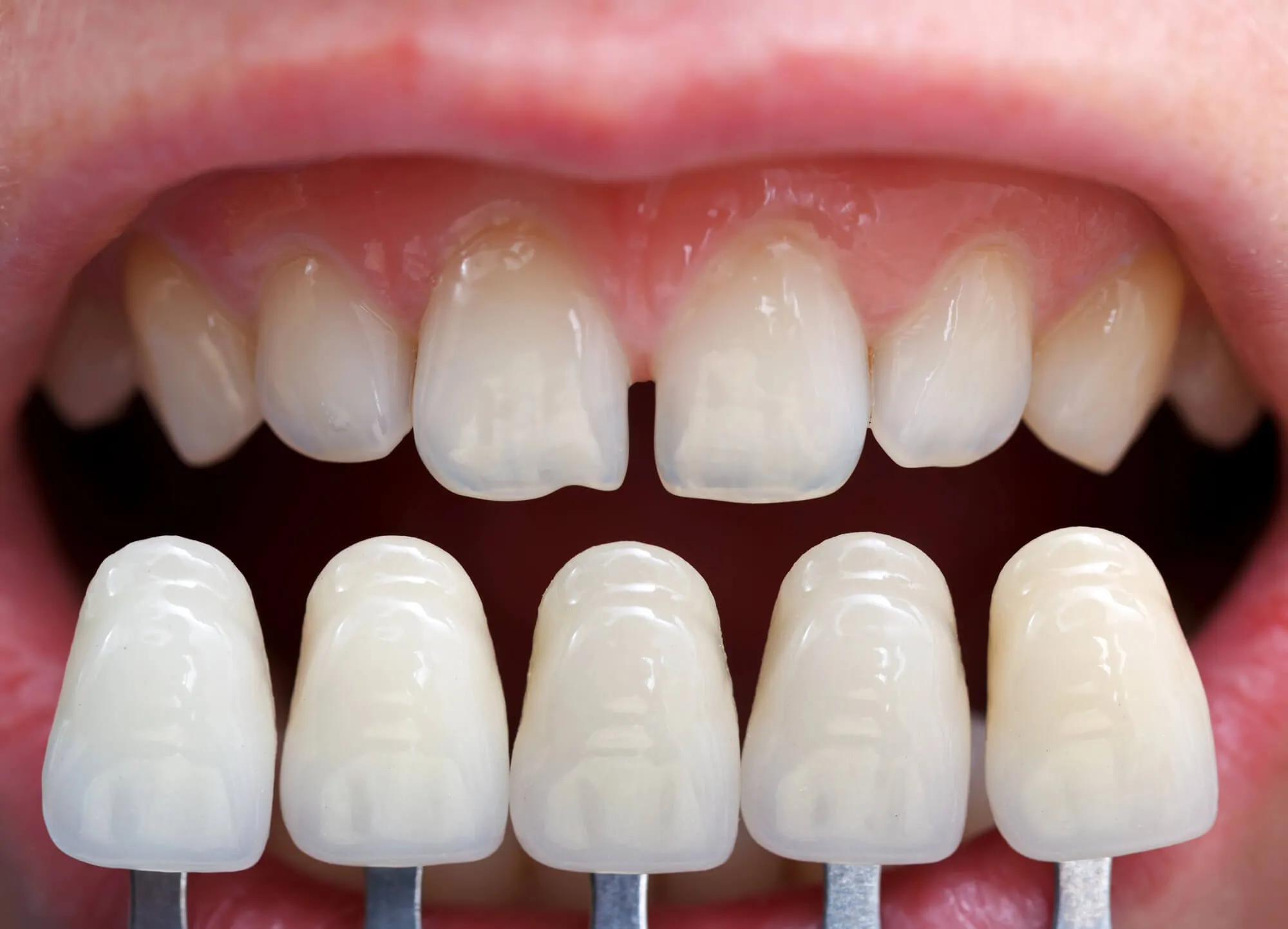
Stick to a Strict Daily Hygiene Routine
Veneers cover the front of the tooth, but the underlying natural tooth remains vulnerable. The American Dental Association's MouthHealthy site notes that cavities can still form beneath or around a veneer.
Its veneer care guidance recommends brushing with fluoride toothpaste twice a day and cleaning between the teeth daily. A simple routine looks like this:
- Brush twice a day with fluoride toothpaste
- Clean between the teeth every day
- Rinse with water after coffee, tea, or red wine
Gentle technique matters too. A soft-bristled brush protects both the porcelain surface and the gum line.
Go Easy on Stain-Prone Drinks and Hard Foods
Coffee, tea, and red wine can still discolor veneers, so enjoying them in moderation helps. Habits like nail-biting and chewing on pens or ice can add stress that can chip or crack porcelain.
When a chip does happen, early attention matters. A dentist may be able to repair a small flaw with cosmetic bonding before it grows.
Sports and other activities that could injure the mouth call for a protective mouthguard. Anyone who plays contact sports can ask a dentist about a custom option that shields the front teeth from impact.
Protect Veneers From Grinding With a Night Guard
Teeth grinding can crack or chip even strong materials, and it often goes unnoticed until jaw pain or headaches appear. Ongoing symptoms like these may indicate a joint issue that warrants a TMJ evaluation.
Cleveland Clinic recommends a custom-fitted night guard from a dental provider rather than an over-the-counter version. A properly made guard protects teeth from wear and fracture while easing muscle tension and joint strain.
Keep Up With Regular Cleanings and Exams
Professional cleanings remove buildup that home care misses, including around the edges of veneers. Regular exams also let a dentist spot early signs of wear before they become bigger problems.
Veneers can chip, wear down, or loosen over time. Catching changes early usually keeps repairs simple.
Patients who notice rough edges, new sensitivity, or a different feel when biting should mention it at the next visit. Small changes are easier to address than advanced damage.
Frequently Asked Questions About Veneer Care
Can Veneers Get Cavities?
Yes, the natural tooth beneath and around a veneer can still decay. That's why brushing, flossing, and regular checkups remain essential.
Can Veneers Be Whitened?
Whitening gel doesn't change the shade of porcelain, so preventing stains is more important. Anyone planning to whiten natural teeth should talk with a dentist first so the shades stay matched.
What Happens if a Veneer Chips?
A dentist should evaluate the damage promptly. Depending on the extent, a veneer may be re-bonded, repaired, or replaced.

Discover The Tips to Protect Your Veneers in the Upper West Side
Manhattan Dental Arts supports patients with exams, cleanings, and personalized guidance to keep their smiles in great shape. Schedule an appointment today to keep veneers in the Upper West Side looking their best for years.