
If you’ve ever searched for a trusted dentist near 10023 to help protect your child’s smile, you may have heard about dental sealants. They’re one of the simplest and most effective ways to prevent cavities. Even better, they work before decay has a chance to begin.
Many parents focus on brushing, flossing, and limiting sweets. Those habits matter. Sealants add an extra layer of defense, especially for back teeth that are harder to keep clean.
The Simple Science Behind Dental Sealants
Why Molars Are So Vulnerable
Back teeth have deep grooves and tiny pits on their chewing surfaces. These natural grooves help grind food. They also trap food particles and bacteria.
Even with careful brushing, toothbrush bristles often can’t reach into those narrow spaces. Over time, plaque builds up inside the grooves. That’s where many cavities start. Sealants protect these areas directly.
What Exactly Is a Dental Sealant?
A dental sealant is a thin, protective coating applied to the chewing surfaces of molars and premolars. The material flows into the grooves and bonds to the enamel.
Once hardened, the sealant forms a smooth surface. Food and bacteria have fewer places to hide. Brushing becomes more effective because the deep pits are sealed off. It’s prevention made simple.
How the Procedure Works
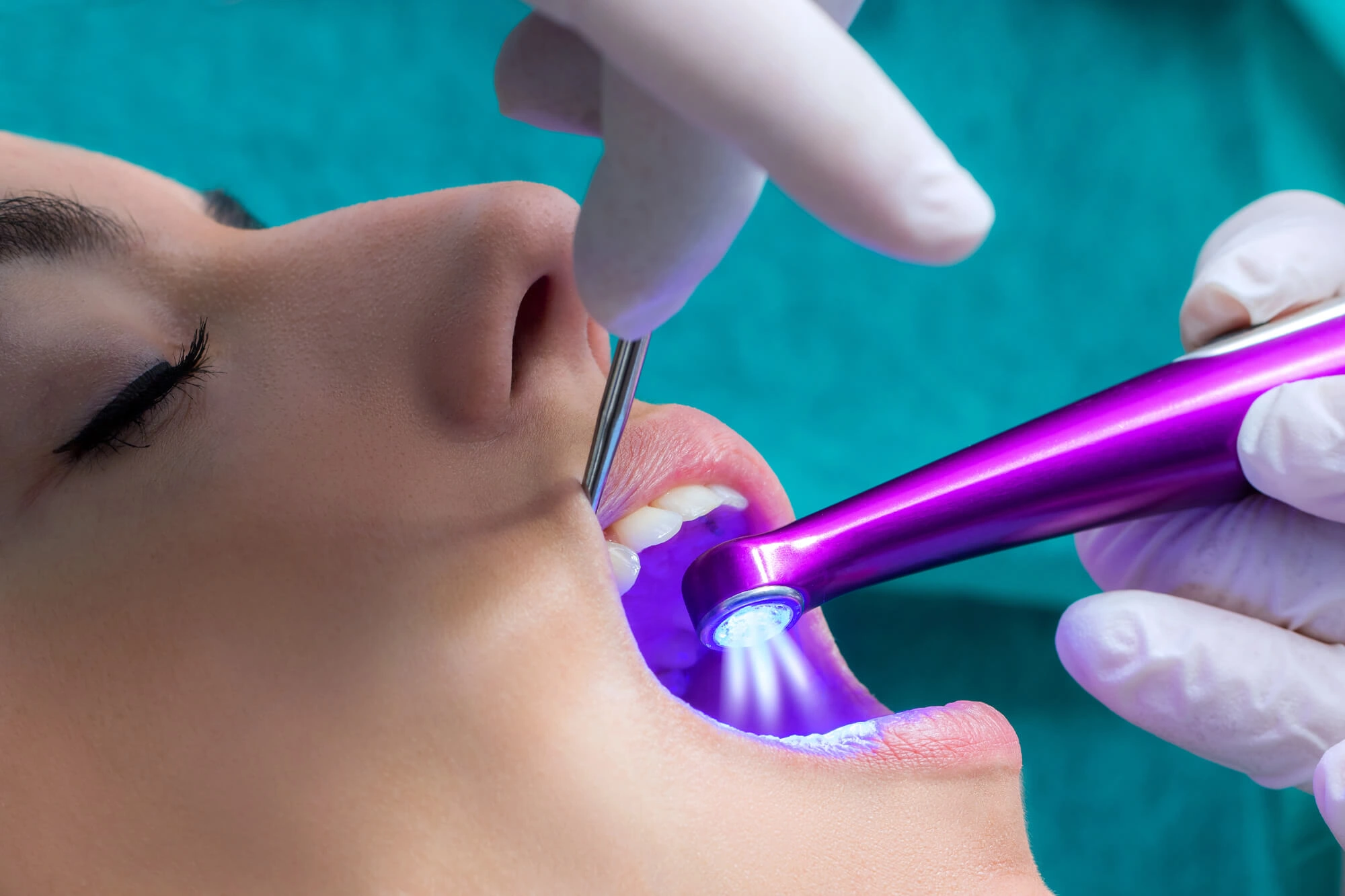
The process is quick and comfortable. The tooth is cleaned and dried. A special solution prepares the enamel. The sealant is painted onto the surface and hardened with a curing light.
There are no shots. No drilling. No discomfort. Most appointments take only a few minutes per tooth. Children often return to school the same day with no restrictions.
Sealants vs. Fillings
Fillings treat cavities after damage has occurred. Sealants prevent that damage from happening in the first place.
Catching decay early is helpful. Avoiding it entirely is even better. Sealants reduce the need for future restorative treatment. Prevention saves time and keeps smiles stronger.
Are Sealants Only for Kids?
Sealants are most commonly applied when permanent molars first come in, usually around ages six and twelve. These teeth are especially prone to cavities.
Some adults benefit from sealants as well. If molars have deep grooves and no existing decay, sealants can still offer protection. Prevention isn’t limited by age.
How Long Do Sealants Last?
Sealants can last several years with proper care. They’re checked during routine exams to ensure they remain intact. If needed, they can be easily repaired or replaced. Regular dental visits help maintain their effectiveness.
Do Sealants Replace Brushing?
Sealants are not a substitute for brushing and flossing. They’re an added layer of defense.
Daily oral hygiene remains essential. Sealants simply protect the areas most vulnerable to decay. Together, good habits and preventive treatments provide strong protection.

Protect Your Smile with a Dentist Near 10023
Cavities don’t appear overnight. They develop quietly in areas that are hard to clean. Dental sealants stop that process before it begins.
At Manhattan Dental Arts, we focus on prevention. We evaluate each patient’s risk for cavities and recommend treatments that support long-term oral health. We take time to explain options and make sure both children and adults feel comfortable during every visit.
If you’re looking for a dentist near 10023 who prioritizes preventive care, we’re here to help. Contact Manhattan Dental Arts today to schedule an appointment and learn how dental sealants can protect your smile for years.