
Replacing a missing tooth requires a careful evaluation of jaw anatomy, bone volume, and long-term structural health goals. When looking into restorative options with a skilled dentist near Lincoln Square, clinical decisions are guided by strict medical prerequisites rather than generic preferences.
The two main permanent solutions, implants and bridges, approach structural tooth replacement from completely different biomechanical angles. Understanding how dental specialists analyze oral architecture helps clarify the specific reasons behind recommending one treatment over the other.
Evaluating Jawbone Density and Long-Term Tissue Stability
The foundational factor in deciding a prosthetic direction is the total volume and density of the patient's underlying jawbone. Implants rely directly on a process called osseointegration, where a biological bone matrix fuses permanently to a metallic post.
If years of tooth loss have resulted in significant bone reabsorption, the jaw may lack the physical thickness required to anchor a post safely. Reviewing how single dental implants behave over time demonstrates how these advanced anchors actively preserve jaw structure from future deterioration.
When the available bone is insufficient and a patient prefers to avoid bone grafting surgeries, a traditional fixed bridge becomes the primary choice. Fixed prosthetics do not interact with the underlying jawbone, making them an excellent alternative for compromised bone structures.
Consulting medical summaries regarding titanium dental implants confirms that baseline bone volume determines if a surgical post can handle daily chewing forces safely. Without a strong structural foundation, a surgical anchor cannot achieve long-term clinical success.

Analyzing the Health of Adjacent Abutment Teeth
A dental bridge functions by suspending a prosthetic tooth across an open gap, anchoring it permanently to the natural teeth on either side. This requires reshaping and reducing healthy enamel on those neighboring teeth to fit support caps over them.
If the adjacent teeth are completely healthy and free of fillings, sacrificing their natural structures can be counterproductive. In such clinical scenarios, choosing an independent implant is highly preferable because it leaves surrounding teeth completely untouched.
Conversely, if the neighboring teeth already suffer from large structural fractures or extensive decay, a bridge offers a dual clinical advantage. The procedure covers and reinforces those compromised structures while simultaneously filling the empty space.
Replicating natural anatomy with fixed dental bridges allows providers to restore multiple damaged areas during a single restorative timeline. This integration solves structural weaknesses and visual gaps concurrently.
Long-Term Durability, Lifespan, and Maintenance Realities
Implants are widely recognized as a permanent, lifetime investment because the integrated metal root cannot develop structural biological decay. However, maintaining the surrounding soft tissues through consistent daily hygiene remains mandatory to prevent localized bone inflammation.
Bridges have a typical operational lifespan of ten to fifteen years before everyday wear requires a structural replacement. The vulnerable margins where a bridge meets natural teeth are highly susceptible to hidden bacterial plaque accumulation.
When severe plaque buildup goes unaddressed beneath a prosthetic, it can lead to hidden decay or sudden, severe nerve inflammation. Monitoring for signs of unexplained tooth pain ensures that localized failures around existing hardware are caught before structural roots collapse completely.
Understanding durable dental crowns and their physical limits helps individuals manage expectations regarding the long-term wear of fixed prosthetics. Regular clinical cleanings are essential to prevent microscopic bacterial leaks along the margins of dental work.
Structural Strategy and Preventive Continuity
Selecting the correct prosthetic pathway involves balancing current oral health status with comprehensive long-term prevention. Rushing into cosmetic changes without addressing active underlying tissue inflammation can lead to early failures of expensive hardware.
Prioritizing highly thorough, custom-tailored preventive dental care guarantees that the surrounding bone and gum tissue remain completely stable. A healthy foundation ensures advanced dental work lasts for decades.
Taking the time to research clinical backgrounds ensures patients form a highly collaborative relationship with their specialized provider. Reading about the exact standards to consider when choosing a provider helps individuals find a team focused on advanced structural longevity. Clear professional guidance makes navigating complex restorative choices a highly predictable process.
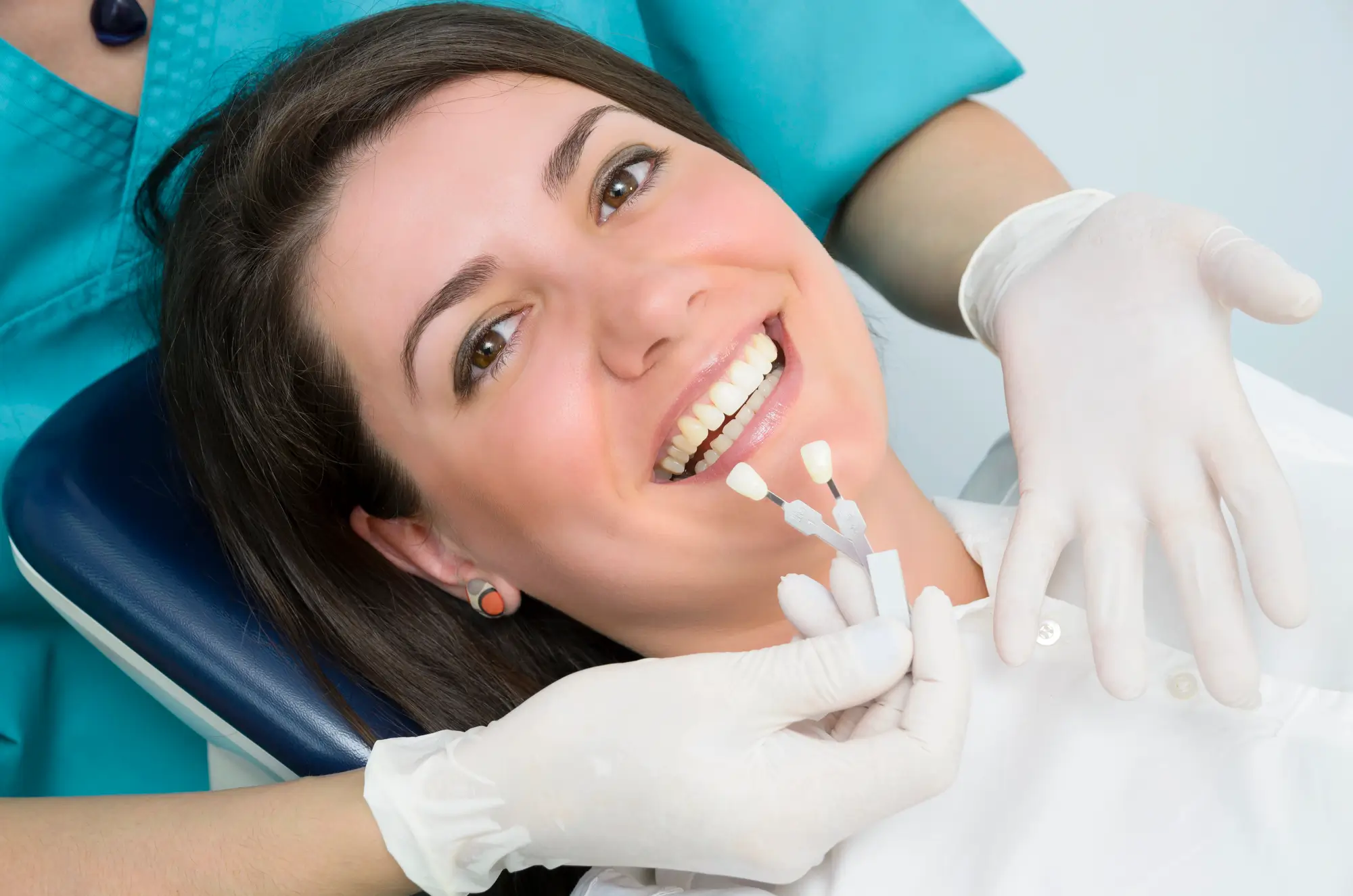
Restore Your Smile with Custom Care in Manhattan
Rebuilding the full function and natural aesthetics of your smile requires a dental team that prioritizes elite clinical precision and individualized care plans. At Manhattan Dental Arts, our specialists utilize advanced digital mapping to analyze your unique bone density and oral architecture before recommending a treatment path.
Whether your anatomy is best suited for a state-of-the-art dental implant or a beautifully balanced fixed bridge, we design every detail around your long-term wellness. Contact our professional office today to schedule your comprehensive restoration consultation, and experience how a dedicated dentist in Lincoln Square can safely revitalize your oral health.