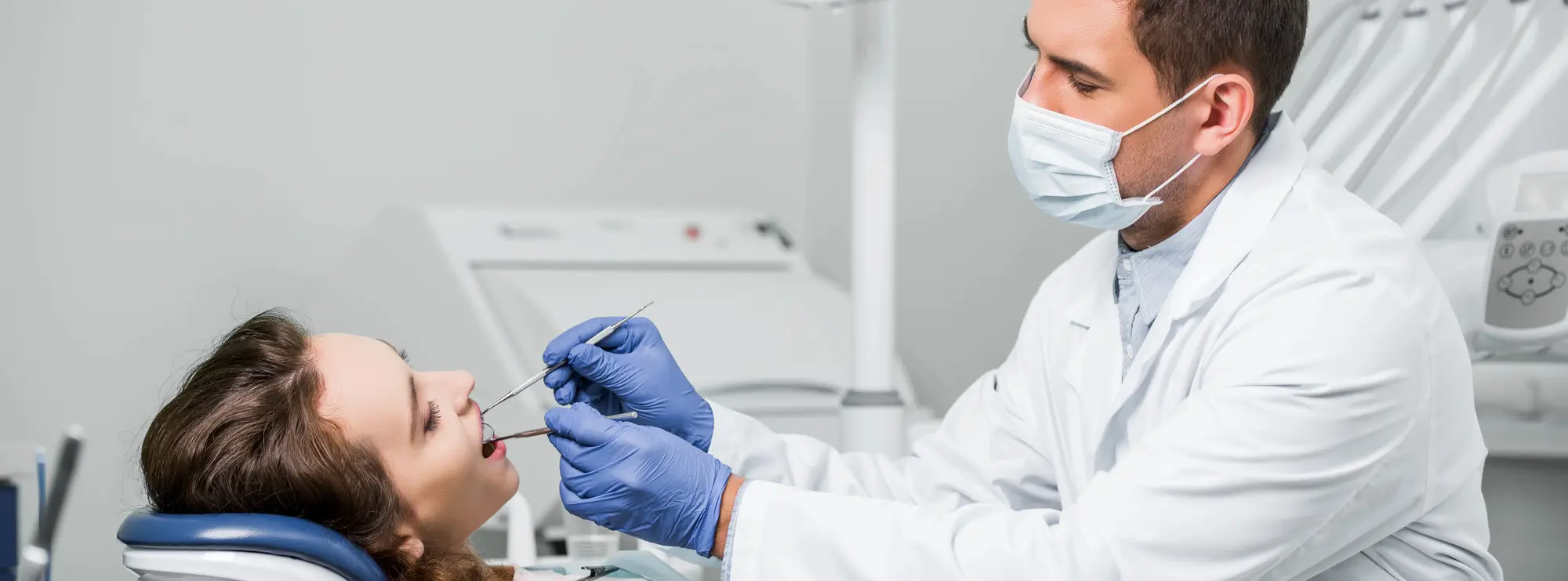
Recognizing the early signs of oral decay often requires a thorough dental evaluation before minor symptoms escalate into major health concerns. Waiting for severe, unmanageable pain to strike can lead to extensive structural damage and costly, complex restorative procedures.
Finding a reliable emergency dentist in the Upper West Side ensures these hidden dangers are identified and addressed safely.
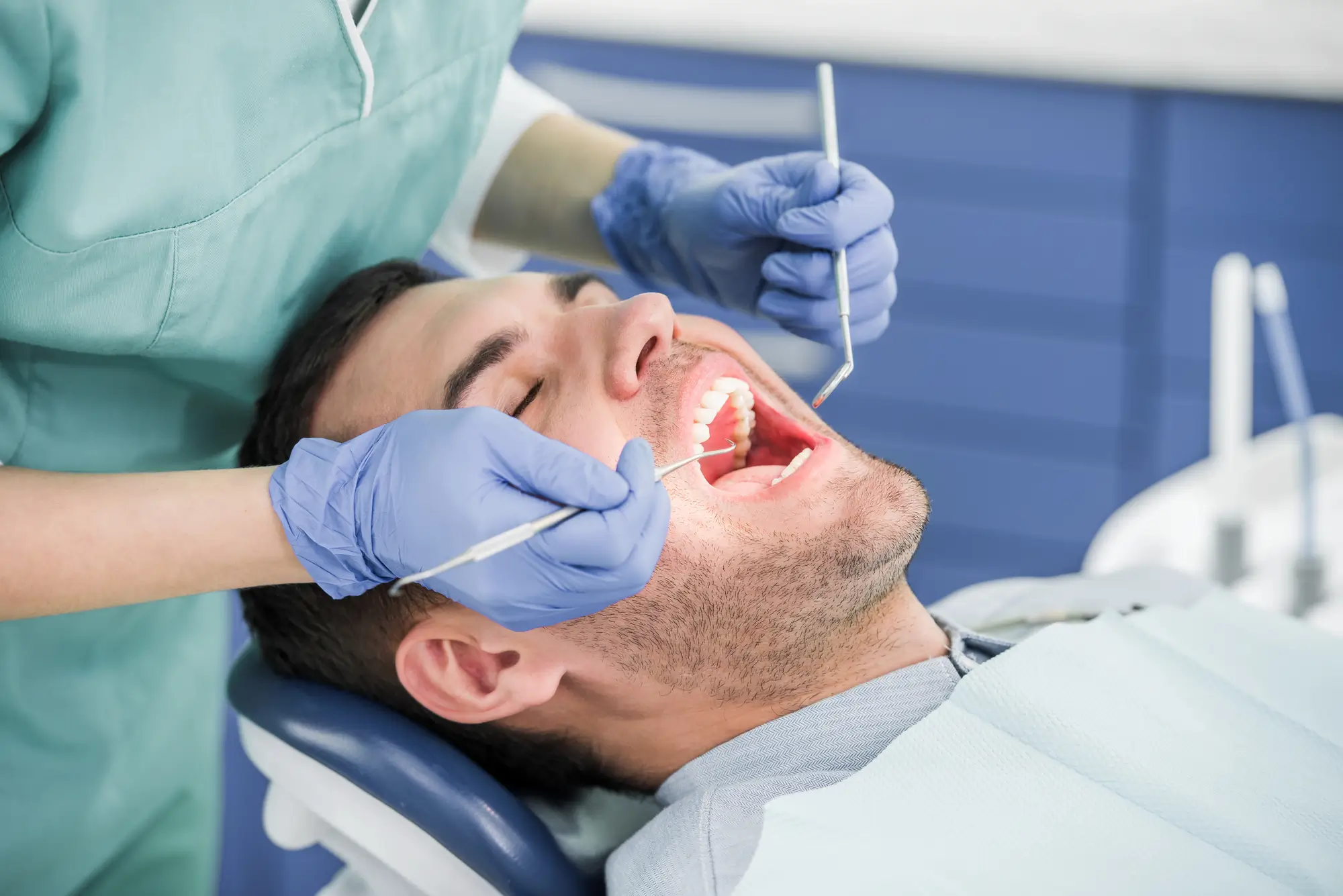
What Oral Concerns Shouldn’t Wait?
1. Unprovoked Gum Bleeding
Healthy gums should never bleed during routine brushing, flossing, or eating daily meals. Frequent bleeding often indicates early-stage gingivitis, which requires immediate professional intervention to reverse successfully.
2. Chronic Bad Breath
Persistent halitosis that remains after brushing can signal a hidden bacterial infection deep within the gum pockets. Comprehensive periodontal therapy services effectively eliminate these stubborn bacteria.
3. Receding Gum Lines
Gum tissue that pulls away from the teeth exposes the highly sensitive root structures underneath. This recession often signals advancing periodontal disease and requires prompt clinical management.
4. Lingering Temperature Sensitivity
Experiencing sharp discomfort when consuming hot or cold beverages suggests weakened enamel or exposed nerve endings. Professionals can apply durable dental fillings to protect the compromised area from further deterioration.
5. Unexplained Dark Spots
Discoloration on the enamel surface may point to progressive decay working its way toward the sensitive inner pulp. Maintaining proper oral hygiene is crucial, but clinical treatment is necessary once deep cavities begin to form.
6. Shifting or Loose Restorations
A previous restoration that feels loose creates a dangerous gateway for harmful bacteria to enter the fragile tooth structure. Patients must seek help promptly to secure damaged restorations and prevent the need for extensive surgical procedures.
7. Uneven Chewing Pressure
Experiencing a sudden, noticeable change in how the upper and lower teeth meet can indicate a shifting alignment. This uneven pressure often leads to severe jaw discomfort and premature enamel wear over time.
8. Clicking Jaw Joints
A popping sound when opening or closing the mouth points to temporomandibular joint dysfunction. Seeking specialized orthodontic care can help realign the bite and alleviate chronic jaw strain.
Frequently Asked Questions About Silent Symptoms
Can a mild toothache resolve independently?
Oral infections do not heal on their own and will steadily worsen over time without dedicated, professional clinical care. Ignoring mild, intermittent aches often leads to the need for more complex tooth extractions later on.
What indicates a severe clinical crisis?
Patients should seek urgent care if they notice specific, severe symptoms that heavily disrupt daily life. Warning signs that demand immediate attention include:
- Uncontrollable bleeding from the soft tissues.
- Significant swelling along the jawline, face, or neck.
- A high fever accompanied by severe oral pain.
How often should patients schedule evaluations?
Most individuals benefit from visiting a clinical provider every six months for routine preventive maintenance. These consistent appointments allow professionals to deliver preventive treatments that stop silent emergencies before they start.

Contact an Emergency Dentist in the Upper West Side Today
Patients should never ignore hidden symptoms until they become unbearable or dangerous to their overall well-being. Contact Manhattan Dental Arts to schedule a consultation and secure a healthy, vibrant smile with an expert emergency dentist in the Upper West Side today.